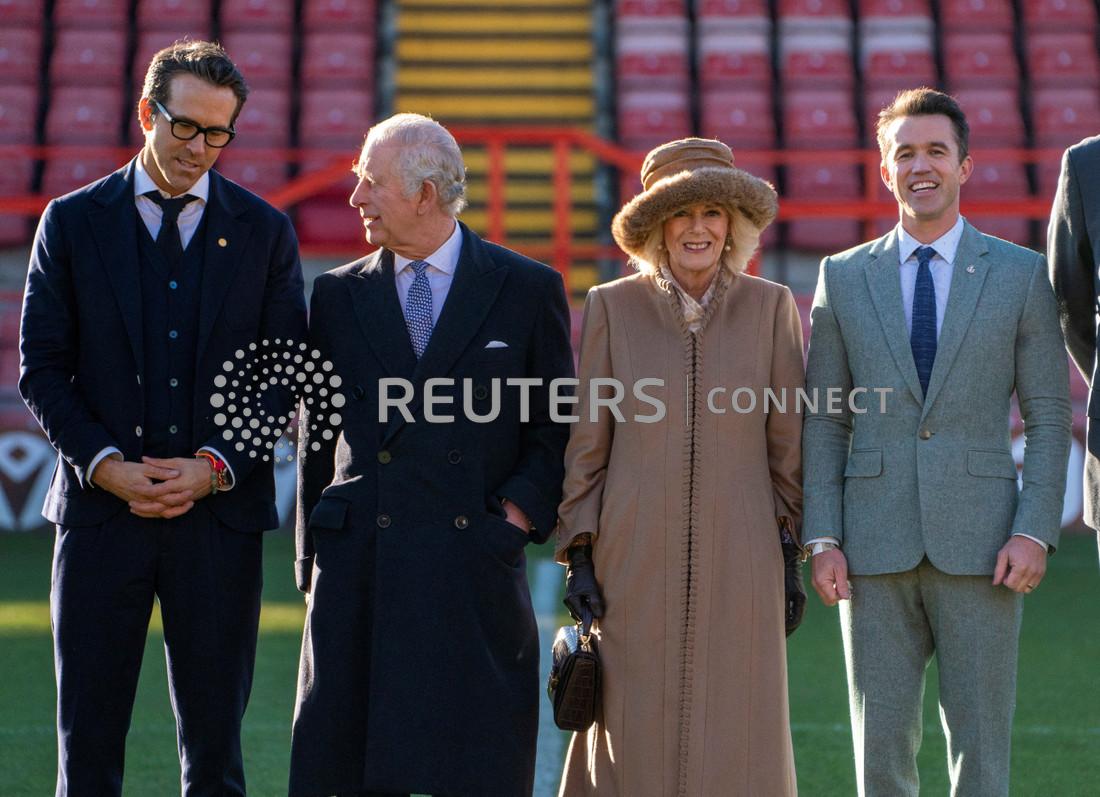
When a gown slips, a strap fails, or fabric betrays an outfit’s integrity, panic sets in—especially under the blinding flash of paparazzi cameras. But at one red carpet event, panic was met not with awkwardness, but with grace. Anne Hathaway literally transformed her flowing evening gown into a human curtain to shield co-star Michaela Coel from a wardrobe malfunction. In an industry often criticized for competition and curated perfection, this split-second act of empathy became a viral emblem of sisterhood, intelligence, and fashion-forward problem solving.
It wasn’t staged. It wasn’t a publicity stunt. It was instinctive protection wrapped in tulle and dignity.
The Moment That Rewrote Red Carpet Etiquette
The incident unfolded at a premiere where both Anne Hathaway and Michaela Coel arrived as leads in a high-profile project. Cameras swarmed as Coel ascended the steps, her dress—a sleek, shoulder-baring design—beginning to shift. One strap had slipped dangerously low, and the structure of the garment threatened full exposure.
Hathaway, walking just behind, didn’t hesitate.
With a fluid motion, she swept the voluminous side panel of her own dress—crafted from wide, flowing silk—forward and across Coel’s back, creating an instant privacy screen. She maintained eye contact with onlookers, smiled, and subtly adjusted her arm to hold the fabric in place while Coel regrouped. All within ten seconds.
No words were exchanged. No fuss was made. Yet the symbolism was deafening.
It wasn’t just about modesty. It was about presence. About refusing to let a wardrobe flaw define a woman’s moment on one of the most public stages in entertainment.
Why This Gesture Resonated Beyond the Red Carpet
In an age where social media magnifies every stumble, the pressure on women in the spotlight to be flawless is relentless. A single image of a wardrobe malfunction can spiral into memes, judgment, career commentary. What Hathaway did wasn’t just kind—it was subversive.
She reclaimed control.
By using her own body and garment as a shield, she turned the narrative away from shame and toward solidarity. She didn’t draw attention to the “problem.” She erased it, quietly and efficiently.
This moment reflects a broader shift in how female celebrities interact in public. No longer confined to the trope of rivalry, more and more women in Hollywood are seen supporting one another—whether through verbal advocacy, fashion alliances, or physical gestures like this one.
Compare this to past red carpet incidents:
- Jennifer Lawrence tripping at the Oscars: met with laughter and viral GIFs.
- Janet Jackson’s Super Bowl incident: turned into a career-altering scandal.
- Lupita Nyong’o’s pink Prada gown getting caught on stairs: handled with poise, but no external support.
Hathaway’s intervention stands apart because it was active protection. Not commentary. Not sympathy. Action.
Anatomy of a Fashion Rescue: What Made It Work
This wasn’t luck. It was timing, outfit choice, and spatial awareness converging perfectly.
Let’s break down the elements that made this rescue not only possible but effective:
1. Dress Design Hathaway wore a gown with volume—a wide, cascading side panel made of lightweight but opaque silk. That fabric had reach. It could cover, drape, and move without tearing or clinging. A tight mermaid cut or a minimalist slip dress wouldn’t have offered the same utility.
2. Positioning She was directly behind and slightly to the side of Coel. This allowed her to step into the gap between Coel and the cameras without blocking the shot entirely—which would have drawn suspicion. Instead, she blended in, using her body as a natural barrier.
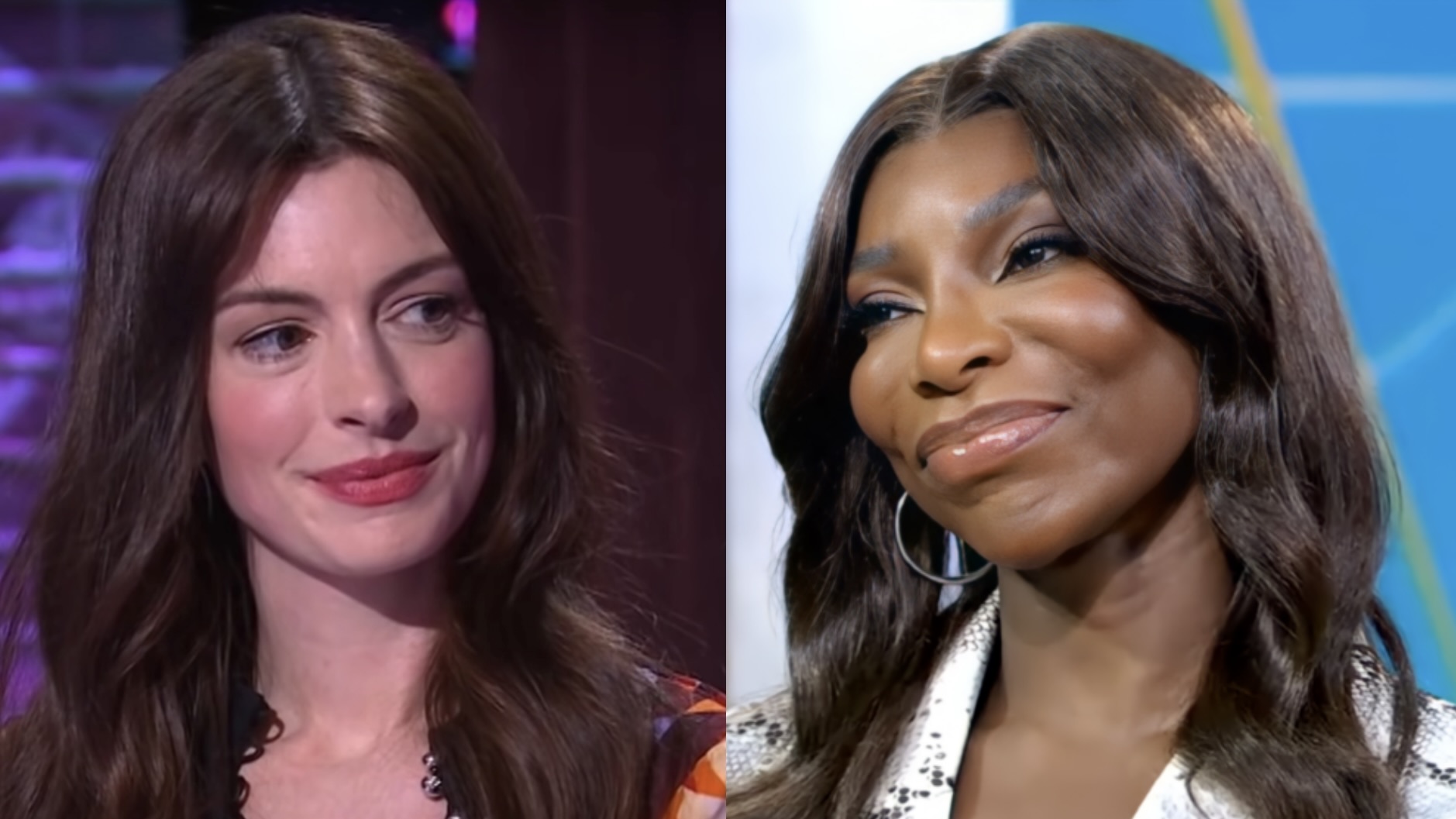
3. Composure No gasp. No wide eyes. Just calm, collected movement. Her smile and steady gaze redirected attention. She didn’t point. She didn’t whisper. She became part of the scenery—while changing its meaning.
4. Awareness Without Invasion She didn’t grab Coel. Didn’t shout. She offered help without announcing it. That’s key. The most powerful support often goes unnoticed by the recipient in the moment—because it preserves dignity.
This moment should be studied not just as a viral highlight, but as a masterclass in crisis management—especially for stylists, publicists, and celebrities who navigate high-pressure appearances.
The Unspoken Rules of Red Carpet Emergency Response
Wardrobe malfunctions happen more often than we think. Zippers fail. Seams split. Static cling turns elegant gowns into hazards. And while backup plans exist—safety pins, double-sided tape, built-in bras—human intervention is the ultimate failsafe.
Here’s how top stylists and celebrity assistants prepare for such moments:
| Scenario | Prevention | Emergency Fix |
|---|---|---|
| Strap slips | Sewn-in elastic, fashion tape | Quick shoulder adjustment, arm crossover |
| Back exposure | Backup corset, internal mesh | Use clutch, wrap shawl, step behind |
| Skirt hike | Weighted hems, ankle clips | Hand on fabric, strategic pose |
| Sheer fabric reveal | Custom lining, strategic undergarments | Immediate drape with coat or accessory |
But when those fail, the real test is whether someone nearby will act.
Hathaway’s response shows that the best emergency tool isn’t in the clutch—it’s in the mindset. Be observant. Be ready. Be quiet.
Other celebrities have stepped up in similar ways:
- Tracee Ellis Ross once used her handbag to block a rip in a friend’s dress mid-walk.
- Cate Blanchett subtly held a trailing scarf behind Rooney Mara when wind exposed part of her back.
- Lizzo once paused her performance to adjust a dancer’s costume mid-set.
But Hathaway’s gesture was unique in its scale and visibility. She didn’t hide the act—she performed it in plain sight, weaponizing elegance as cover.
Fashion as a Tool, Not Just a Statement
We talk about fashion as identity, art, expression. But rarely do we acknowledge its functional power.
Hathaway’s dress wasn’t just beautiful. It was useful.
In survival training, you’re taught to use what’s at hand—a shirt as a bandage, a belt as a tourniquet. Hathaway did the red carpet version of that. She repurposed her garment in real time, turning haute couture into humanitarian aid.
This raises a provocative question: Should fashion design account for utility in crisis?
Imagine gowns built with:
- Detachable panels for emergency coverage
- Hidden clasps that convert trains into wraps
- Magnetic seams for quick adjustments
Designers like Iris van Herpen and Rei Kawakubo push boundaries with structure and material. But what if the next frontier is adaptive fashion—clothes that protect, assist, and respond?
Hathaway’s moment proves that a dress can do more than dazzle. It can defend.
The Ripple Effect: How One Act Changed Public Perception
In the days following the incident, clips of the moment spread across TikTok, Twitter, and Instagram. Not as gossip. Not as scandal. As praise.
“Anne Hathaway is the older sister we all needed.”
“Michaela Coel dodged a PR nightmare because of one woman’s reflexes.”
“Fashion week needs to create an award for Best On-Site Wardrobe Rescue.”
More importantly, the story shifted focus from what could have gone wrong to what did go right. Instead of dissecting Coel’s dress, people celebrated Hathaway’s awareness. Instead of shaming a malfunction, they honored a fix.
That’s a rare win in celebrity culture.
It also spotlights Michaela Coel’s composure. She didn’t freeze. She adjusted, kept walking, and later joked about it in interviews: “I didn’t even realize it happened until I saw the video. Anne saved me from myself.”
That humility, paired with Hathaway’s discretion, made the moment feel authentic—not performative.

Why We’re So Obsessed (And Why We Should Be)
Let’s be honest: we’re obsessed because it felt real.
In an era of filtered lives and scripted interactions, this was unscripted humanity. No handler prompted it. No brand deal funded it. It was a woman seeing another woman in a vulnerable position and acting—not for clout, but for care.
We’re obsessed because it challenges stereotypes:
- That actresses are rivals.
- That glamour is shallow.
- That red carpets are just for showing off.
This moment was the opposite. It was anti-exposure. Pro-privacy. Pro-sisterhood.
And it happened at a time when public support between women is more visible—and more necessary—than ever.
From the #MeToo movement to pay equity battles, female solidarity in Hollywood has moved from whisper to roar. Hathaway didn’t give a speech. She didn’t wear a slogan. She just stepped forward, pulled fabric across, and said, without words: You’re covered.
A New Standard for Red Carpet Conduct?
Should this become a protocol?
Not in a forced way. Not with scripts. But perhaps with awareness.
Stylists could brief A-listers: “If someone beside you has a slip, here’s how to help.” Publicists could prep clients on crisis response—both personal and peer-based. Designers could consider not just how a dress looks, but how it functions under pressure.
And audiences? We can stop treating wardrobe malfunctions as failures—and start seeing the responses they inspire as triumphs.
Hathaway didn’t just save Coel from exposure. She redefined what it means to have someone’s back—literally.
Closing: Be the Curtain
You don’t need a red carpet to practice this kind of awareness.
In meetings, in friendships, in public spaces—someone is always one misstep from embarrassment. The real power isn’t in perfection. It’s in protection.
Anne Hathaway didn’t win an award that night. But she demonstrated a kind of excellence that no statue can capture: the ability to act with grace, speed, and humility when it matters most.
So the next time you see someone falter—whether it’s a spilled drink, a torn seam, or a moment of doubt—ask yourself:
Can I be the curtain?
Can I step in, not to fix, but to shield?
Because sometimes, the most powerful thing you can wear isn’t a designer gown.
It’s decency.
FAQ
What event was Anne Hathaway and Michaela Coel at when this happened? They were attending a premiere for a film they co-starred in, though the specific event hasn’t been officially named in major outlets. The moment circulated widely on social media following the red carpet.
Did Michaela Coel know what Anne Hathaway was doing at the time? Coel later admitted in an interview that she didn’t realize what had happened until she saw the footage. She praised Hathaway’s quick thinking and discretion.
Could any dress be used like that? Not easily. Hathaway’s dress had volume, flow, and opacity—key factors. A tight or sheer gown wouldn’t have worked. The design played a crucial role in the rescue.
Has Anne Hathaway commented on the incident? She hasn’t given a formal statement, but sources close to her described the act as “pure instinct” and “something anyone would do.”
Are wardrobe malfunctions common on red carpets? Yes. Despite rigorous prep, high winds, tight fits, and long walks, malfunctions happen frequently—though many are caught before photos go public.
Why did this moment go viral? It combined celebrity, fashion, suspense, and emotional intelligence. It was a rare, unscripted moment of genuine support in a highly curated environment.
Has Michaela Coel’s stylist spoken about the dress issue? Not publicly. However, industry insiders note that strapless and off-shoulder gowns carry higher risk, especially on windy nights or uneven stairs.
FAQ
What should you look for in Anne Hathaway Used Her Dress to Shield Michaela Coel on Red Carpet? Focus on relevance, practical value, and how well the solution matches real user intent.
Is Anne Hathaway Used Her Dress to Shield Michaela Coel on Red Carpet suitable for beginners? That depends on the workflow, but a clear step-by-step approach usually makes it easier to start.
How do you compare options around Anne Hathaway Used Her Dress to Shield Michaela Coel on Red Carpet? Compare features, trust signals, limitations, pricing, and ease of implementation.
What mistakes should you avoid? Avoid generic choices, weak validation, and decisions based only on marketing claims.
What is the next best step? Shortlist the most relevant options, validate them quickly, and refine from real-world results.