Safety doesn’t happen by accident—and neither should safety communication. On job sites where risks evolve daily, a structured yet concise safety huddle can mean the difference between a near miss and a serious incident. That’s where toolbox talk PDFs come in: ready-to-use, printable, and often customizable documents that guide supervisors through essential safety topics.
But finding free, high-quality, and legally sound toolbox talk PDFs isn’t always easy. Many available templates are outdated, too generic, or lack the specificity needed for real-world application. This guide cuts through the noise, delivering actionable templates, practical usage strategies, and trusted sources—so you can run effective safety meetings without reinventing the wheel every week.
Why Free Toolbox Talk PDFs Are a Game-Changer
Toolbox talks are short safety meetings—typically 10 to 15 minutes—held at the start of a shift or before a high-risk task. Their goal? Reinforce safe behaviors, clarify hazards, and promote crew accountability.
Yet, many supervisors avoid them due to time constraints or lack of content. That’s where free toolbox talk PDFs close the gap:
- Save time: No need to draft from scratch.
- Ensure consistency: Cover key points every time.
- Improve compliance: Align with OSHA, ANSI, or company standards.
- Encourage participation: Structured formats promote engagement.
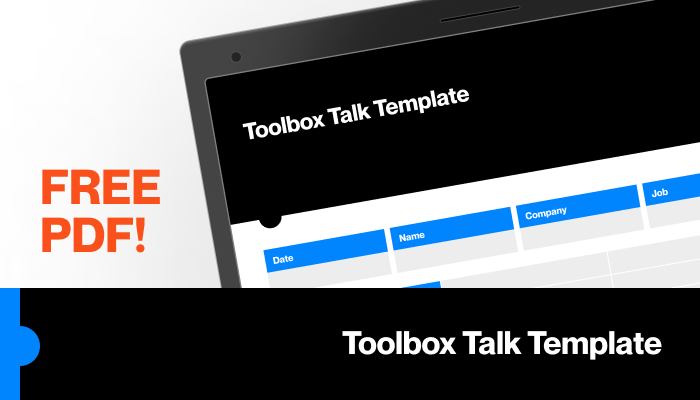
A well-designed toolbox talk PDF should include: - Topic title and date - Key hazards - Preventive measures - Discussion questions - Sign-off section for attendees
When used correctly, these PDFs turn ad-hoc chats into documented safety rituals—critical for audits and incident investigations.
Common Mistakes That Undermine Toolbox Talks
Even with a solid PDF, poor execution can render the effort useless. Avoid these common traps:
1. Reading verbatim Handing out a PDF and reading it word-for-word kills engagement. Use it as a discussion guide, not a script. Ask open-ended questions like: “Has anyone seen this hazard before? What did you do?”
2. Repeating the same topics Covering “slips and trips” every month breeds complacency. Rotate topics based on current work, season, or incident trends. If you’re starting roof work, shift to fall protection.
3. Skipping attendance records A talk without sign-in sheets isn’t documented. Always have workers sign the free toolbox talk PDF after the session. This proves training occurred—vital during OSHA inspections.
4. Using overly technical language Your crew isn’t made of safety officers. Keep language simple. Replace “hazard mitigation strategies” with “how to stay safe around this.”
5. Ignoring site-specific risks Generic PDFs help, but customize them. If your site has uneven terrain, add a line about checking footing before lifting.
Where to Find Reliable Free Toolbox Talk PDFs
Not all free templates are created equal. Some are poorly formatted, lack legal alignment, or miss critical content. Stick to reputable sources that prioritize clarity and compliance.
Here are 5 trusted sources for free toolbox talk PDFs:
| Source | Strengths | Limitations |
|---|---|---|
| OSHA.gov | Government-backed, legally sound, industry-specific | Limited variety, less visual |
| SafetyInfo.com | 100+ free topics, printable PDFs, editable fields | Ads-heavy site, outdated design |
| Creative Safety Supply | Clean layouts, visual aids, multilingual options | Email required to download |
| EHS Daily Advisor | Updated content, real-world scenarios, expert-reviewed | Some content behind email gate |
| HSE.gov.uk (UK) | High-quality, risk-focused, great for construction | UK regulations—review for US applicability |
Pro tip: Download a few from different sources, then blend the best elements into your own master template.
Top 5 Free Toolbox Talk PDFs You Should Download Now
Here’s a curated list of immediately useful, downloadable, and free toolbox talk PDFs—ideal for general construction, maintenance, and industrial teams.
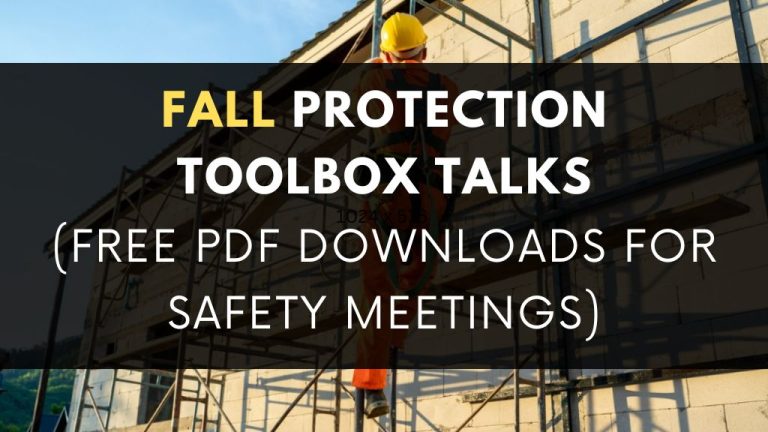
- Fall Protection – Working at Heights
- Covers harness use, anchor points, and fall clearance. Includes a checklist for inspecting equipment. Best for: Roofers, steel workers, window installers
- Hand and Power Tool Safety
- Highlights risks like kickback, pinch points, and electrical hazards. Adds PPE reminders. Best for: Electricians, carpenters, mechanics
- Slips, Trips, and Falls (General Site Conditions)
- Focuses on housekeeping, lighting, and floor obstructions. Great for daily kickoffs. Best for: All crews, especially in dynamic environments
- Hazard Communication (Chemical Safety)
- Explains SDS access, labeling, and spill response. Aligns with OSHA HazCom standard. Best for: Painters, cleaners, maintenance techs
- Lockout/Tagout (Energy Control)
- Walks through isolation steps, verification, and group LOTO procedures. Best for: Maintenance and repair teams
These templates are available across the top sources listed above. Always verify they match your site’s specific procedures before use.
How to Customize Free Toolbox Talk PDFs for Your Site
A free PDF is a starting point—not the final product. To maximize impact, tailor each talk to your team and conditions.
Step 1: Add Site-Specific Details Insert your company name, project name, and location at the top. Change generic examples to real site hazards. Instead of “working near electrical panels,” say “near the main breaker in the north substation.”
Step 2: Insert Real Incident Examples Did a worker trip over a coiled cable last week? Reference it: “Remember Monday’s near miss? Let’s talk how to prevent it.” Stories stick better than warnings.
Step 3: Localize PPE Requirements If your site mandates steel-toe boots and high-vis vests, list them. If respirators are needed for certain tasks, specify when and why.
Step 4: Adapt Language for Your Crew For multilingual teams, use visual icons or translate key points. Avoid jargon. “Overhead power lines” beats “energized conductors.”
Step 5: Add a Feedback Section Include a line: “Suggestions for next week’s topic: ________.” Empowers workers to drive safety culture.
Use free tools like Adobe Acrobat, PDFescape, or Canva to edit and re-save your customized versions.
Integrating Toolbox Talks Into Your Safety Workflow
A PDF is useless if it stays in a folder. Build a system that ensures consistent use.
Weekly Planning Every Friday, assign the next week’s topic based on upcoming tasks. If welding starts Monday, schedule a hot work safety talk.
Pre-Shift Routine Conduct talks at the same time and place—e.g., 6:50 AM at the site trailer. Consistency builds habit.
Supervisor Accountability Require supervisors to submit signed PDFs weekly. Store them digitally with a naming convention: TT_Topic_Date_Supervisor.pdf
Digital Access Load PDFs onto tablets or phones for remote crews. Use cloud storage (Google Drive, Dropbox) with offline access.
Review and Rotate Every quarter, audit which topics were covered. Avoid overuse of easy topics. Balance routine (PPE) with high-risk (confined space).
The Real Value of Free Resources—When Used Right
Free toolbox talk PDFs aren’t just about saving money. They’re about democratizing safety. Small contractors, solo supervisors, and new crews can access the same quality content as large firms.
But access alone isn’t enough. The real value comes from: - Choosing templates with clear structure - Customizing for relevance - Delivering with engagement - Documenting for accountability
When done right, a 10-minute talk using a free PDF can prevent an injury, pass an audit, or shift team culture.
Get Started Today: Your Action Plan
- Download 2–3 free toolbox talk PDFs from trusted sources (start with fall protection or hand tools).
- Customize one with your company name and a recent site hazard.
- Schedule your next talk—use the PDF as a guide, not a script.
- Collect signatures and file the document.
- Repeat weekly, rotating topics based on work activity.
Safety isn’t a one-time event. It’s a conversation. With the right free toolbox talk PDFs, you’re not just checking a box—you’re building a safer, smarter team.
FAQ
What should you look for in Free Toolbox Talk PDFs for Safer Worksite Communication? Focus on relevance, practical value, and how well the solution matches real user intent.
Is Free Toolbox Talk PDFs for Safer Worksite Communication suitable for beginners? That depends on the workflow, but a clear step-by-step approach usually makes it easier to start.
How do you compare options around Free Toolbox Talk PDFs for Safer Worksite Communication? Compare features, trust signals, limitations, pricing, and ease of implementation.
What mistakes should you avoid? Avoid generic choices, weak validation, and decisions based only on marketing claims.
What is the next best step? Shortlist the most relevant options, validate them quickly, and refine from real-world results.