A sudden cut to darkness. A whisper barely audible beneath a swelling bassline. A figure moving just out of focus in the background. These aren’t scenes from a horror film—they’re moments from a thriller music video, where sound and image conspire to unsettle, intrigue, and hold viewers hostage.
Thriller music videos don’t just accompany songs—they amplify them. By merging psychological tension, visual ambiguity, and atmospheric sound design, they transform listening into an immersive, often visceral experience. In an era where attention spans are fragmented and content floods every platform, these videos cut through the noise by triggering primal emotions: fear, curiosity, dread.
This isn’t about jump scares or gore. It’s about control—the director’s control over pacing, the artist’s control over mood, and the music’s control over the nervous system. When executed well, a thriller music video doesn’t just go viral. It lingers.
Why Thriller Music Videos Dominate Viewer Engagement
Algorithmic platforms reward retention. The longer someone watches, the more the content gets pushed. Thriller music videos are uniquely engineered for high retention because they exploit narrative suspense—a force that compels viewers to keep watching “just to see what happens.”
Take Billie Eilish’s “Bury a Friend” video. The camera crawls through distorted, claustrophobic spaces while disjointed whispers and industrial beats rattle the senses. There’s no clear plot, only implication. Viewers stay engaged because the ambiguity demands interpretation. They rewatch to catch details, to decode symbols, to confirm suspicions.
Other genres rely on spectacle or choreography. Thriller videos rely on psychological immersion. They work because: - They heighten emotional investment through tension - They encourage repeat viewing to uncover hidden layers - They align perfectly with the song’s sonic mood
Brands and indie artists alike are catching on. A well-crafted thriller video can elevate a mid-tier track into a cultural talking point. But getting it right requires more than a dark filter and a creepy mask.
The Anatomy of a Successful Thriller Music Video
A thriller music video isn’t defined by genre—it’s defined by structure and intent. It’s not enough to have a horror-themed aesthetic. The video must build suspense methodically, using both visual and auditory cues in tandem.
1. Pacing Dictates Fear
Thriller videos thrive on delayed payoff. The most effective ones stretch moments—a slow pan across a hallway, a lingering close-up on trembling hands—while the music simmers beneath. This mimics the rhythm of anxiety. Think of Rosalía’s “SAOKO”, where rapid editing clashes with moments of eerie stillness, creating a disorienting, almost threatening energy.
Mistake to avoid: Overloading with jump cuts. Chaos doesn’t equal tension. Controlled pacing builds dread; randomness just confuses.
2. Sound Design as a Narrative Tool
The music doesn’t just play over the visuals—it interacts with them. A creak in the audio might sync with a door opening on screen. A sudden silence can be more jarring than a scream. In Trent Reznor and Atticus Ross’s work (including for Nine Inch Nails and How to Destroy Angels), sound design often blurs the line between score and environment.
Practical tip: Layer diegetic sounds—breathing, footsteps, distant echoes—into the track mix. These subtle cues deepen immersion without distracting from the song.
3. Visual Symbolism Over Literal Storytelling
The best thriller videos resist explanation. They use symbols—blood-red lighting, recurring mirrors, distorted reflections—not to tell a story, but to evoke a feeling. FKA twigs’ “Cellophane” blends vulnerability with surreal, dreamlike visuals that suggest emotional trauma without spelling it out.
This ambiguity is strategic. It invites interpretation, fuels discussion, and increases shareability. Fans dissect frames on Reddit, TikTok, and Twitter. The video becomes a puzzle, not just a performance.
Behind the Scenes: Crafting Atmosphere on a Budget
You don’t need a Hollywood budget to create tension. Some of the most memorable thriller videos were made independently, using creativity over cash.
Lighting and Color Grading Low-key lighting—where shadows dominate—is the backbone of thriller aesthetics. A single practical light source (like a flickering bulb or phone screen) can create dramatic contrast. Combine this with desaturated or monochrome grading, and you instantly elevate the mood.
Example: The video for “Ex’s & Oh’s” by Elle King uses heavy shadows and warm amber tones to create a noir-like tension, reinforcing the song’s themes of obsession and deception.
Camera Movement and Framing Handheld shots add unease. Dutch angles (tilted camera) suggest psychological imbalance. Tight close-ups on eyes or hands can make mundane actions feel threatening.
Workflow tip: Storyboard key suspense moments. Identify where the tension peaks and ensure the camera language supports it—whether it’s a slow zoom or a sudden whip pan.
Casting and Performance The lead performer doesn’t need to act like a movie star—but they must convey internal conflict. A blank stare, a delayed reaction, or a micro-expression can speak volumes. In Arca’s “Nonbinary”, the performance is restrained but charged, turning stillness into a form of emotional violence.
Artists Who Master the Thriller Music Video Format
Certain artists consistently blur the line between music and psychological thriller. Studying their work reveals patterns in tone, collaboration, and creative control.
1. Billie Eilish Working closely with director Takashi Murakami and later with Megan Park, Eilish turns her videos into psychological landscapes. “Therefore I Am” flips the thriller script—she’s not the victim, but the observer, walking through a deserted mall with quiet menace.
2. Tyler, The Creator His “EARFQUAKE” video starts sweet and descends into surreal horror. The shift mirrors the song’s emotional collapse. Tyler uses color, pacing, and unexpected imagery (a man on fire, a floating head) to destabilize the viewer.
3. Florence + The Machine Videos like “What Kind of Man” use choreography and setting to create a sense of ritualistic intensity. The red dress, the warehouse, the synchronized dancers—all build toward a cathartic, almost violent climax.
These artists don’t just release music videos. They release experiences. And they retain creative control, ensuring visual and sonic cohesion.
Common Pitfalls That Undermine Suspense
Even with strong concepts, many thriller videos fail to land. Here’s what derails them:
- Over-explaining the plot: If every symbol is clarified, there’s no mystery. Let viewers project their fears.
- Mismatched tone: A pop melody with horror visuals can clash unless intentionally ironic. The mood of the music and visuals must align or subvert in a deliberate way.
- Poor sound mixing: If dialogue or effects drown the track, the video becomes a short film with music, not a music video.
- Relying on clichés: Dolls, abandoned hospitals, and demonic faces are overused. Originality in symbolism beats familiarity.
A strong test: Watch the video without sound. Does it still feel tense? Then add the audio. If the combination doesn’t amplify the unease, the integration isn’t working.
The Role of Platforms in Amplifying Thriller Content
TikTok and YouTube Shorts have changed how thriller videos are consumed. Full-length videos still matter, but bite-sized suspense clips spread faster.

Artists now design “moments” specifically for clipping—like the sudden reveal in Melanie Martinez’s “Mad Hatter” video, where her character’s face twists unnaturally. That frame became a meme, driving millions to watch the full video.
Pro strategy: Edit a 15-30 second teaser that captures the video’s most suspenseful beat. Use it to funnel traffic to the full release. Pair it with cryptic captions: “Did you see what happened at 2:17?”
Algorithms love engagement spikes. Thriller videos, with their rewatch value and comment-driven theories, generate exactly that.
Five Thriller Music Videos That Redefined the Genre
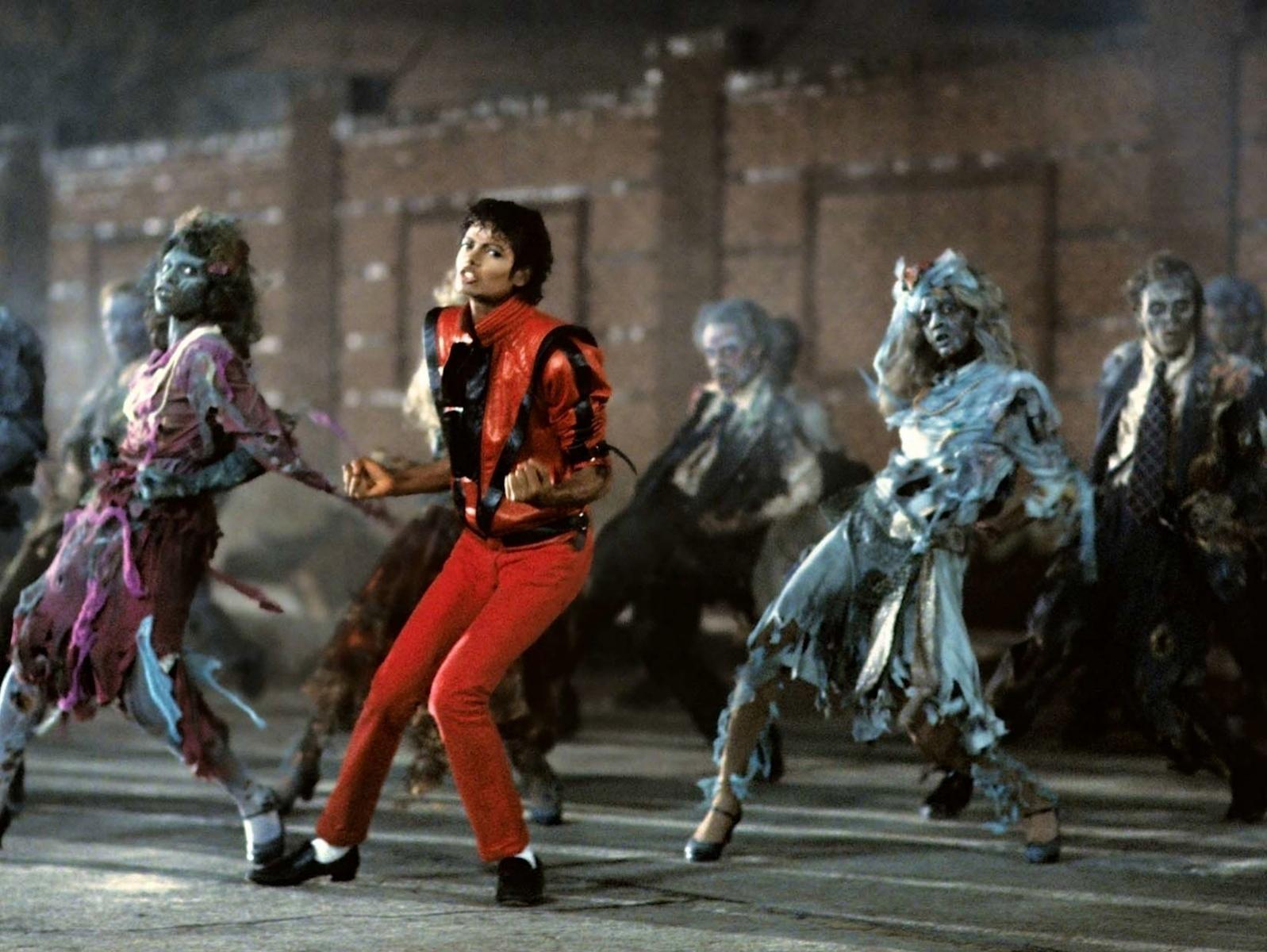
- Michael Jackson – “Thriller”
- The blueprint. Combined narrative storytelling, transformation horror, and choreography into a 14-minute cinematic event. Raised the bar for music video production forever.
- Radiohead – “No Surprises”
- Minimalist and devastating. The image of Thom Yorke in a drowning helmet, paired with the lullaby melody, creates unbearable emotional tension.
- Björk – “Hunter”
- Stark Icelandic landscapes, predatory camera work, and a performance that feels both fragile and feral. The video mirrors the song’s theme of survival.
- Childish Gambino – “Feels Like Summer”
- On the surface, it’s a colorful, dreamy sequence. But the subtext—climate anxiety, cultural erasure—is delivered through subtle visual cues and a haunting tone.
- The Weeknd – “Save Your Tears” (Remix with Ariana Grande)
- The uncanny valley aesthetic, with masked figures and sterile environments, turns romantic heartbreak into psychological horror.
These videos didn’t just support songs—they became inseparable from them. They prove that when music and suspense merge, the impact is lasting.
Final Thoughts: How to Make a Thriller Music Video That Lasts
Creating a powerful thriller music video starts with intent. Ask: What emotion do I want to leave the viewer with? Dread? Unease? Catharsis?
Then, align every element—lighting, editing, performance, sound—to that goal. Test the video on a small audience. Do they lean in? Do they rewatch? Do they talk about it?
Avoid the trap of style over substance. A dark aesthetic isn’t enough. The best thriller videos feel inevitable—like the visuals were buried in the music all along, just waiting to be unearthed.
For artists and directors: treat the video not as an add-on, but as a co-author of the song’s meaning. When done right, a thriller music video doesn’t just capture attention—it holds it by the throat.
FAQ
What makes a music video a “thriller”? A thriller music video uses suspense, psychological tension, and atmospheric storytelling to create unease, aligning closely with the song’s mood rather than just illustrating lyrics.
Can indie artists create effective thriller videos on a low budget? Yes. Strong lighting, careful pacing, and symbolic visuals can generate tension without expensive effects. Creativity outweighs budget in this genre.
How important is sound design in a thriller music video? Critical. Sound design bridges music and visuals—subtle cues like breathing, silence, or distorted audio deepen immersion and amplify suspense.
Should thriller videos have a clear storyline? Not necessarily. Ambiguity often enhances the experience, encouraging interpretation and repeat viewing. Symbolism can be more powerful than plot.
What are common visual themes in thriller music videos? Isolation, distortion (mirrors, glitches), confined spaces, unnatural movements, and color contrasts (especially red/black or monochrome) are frequently used.
How do thriller videos perform on social media? They excel due to high rewatch rates and shareable “moment” clips. Suspenseful frames or twists often go viral on TikTok and YouTube Shorts.
Which directors are known for thriller music videos? Hiro Murai, Floria Sigismondi, and Daniel Askill have directed acclaimed thriller-style videos for artists like Childish Gambino, Björk, and Florence + The Machine.
FAQ
What should you look for in How Thriller Music Videos Redefine Suspense and Sound? Focus on relevance, practical value, and how well the solution matches real user intent.
Is How Thriller Music Videos Redefine Suspense and Sound suitable for beginners? That depends on the workflow, but a clear step-by-step approach usually makes it easier to start.
How do you compare options around How Thriller Music Videos Redefine Suspense and Sound? Compare features, trust signals, limitations, pricing, and ease of implementation.
What mistakes should you avoid? Avoid generic choices, weak validation, and decisions based only on marketing claims.
What is the next best step? Shortlist the most relevant options, validate them quickly, and refine from real-world results.