It’s finally sunny in Wrexham — and not just because of the weather. For decades, this historic town in northeast Wales weathered industrial decline, economic stagnation, and a chronic lack of national attention. But today, Wrexham pulses with energy, optimism, and an improbable global spotlight — all thanks to two Hollywood stars who bought a struggling football club and sparked a renaissance no one saw coming.
At the heart of this transformation is Wrexham A.F.C., a club founded in 1864 and long accustomed to battling in the lower tiers of English football. In 2020, it was rescued — and reimagined — by actors Ryan Reynolds and Rob McElhenney. What began as a quirky investment has become a phenomenon: a real-life underdog story where sport, storytelling, and civic pride collided in unexpected ways.
From Obscurity to Global Spotlight
Before Hollywood arrived, Wrexham was a town of just over 65,000 people, nestled near the England-Wales border. Once a hub for coal and manufacturing, it had grappled with job losses and depopulation. The football club mirrored the town’s fortunes: passionate support, but chronic underfunding, aging infrastructure, and recurring near-relegation battles.
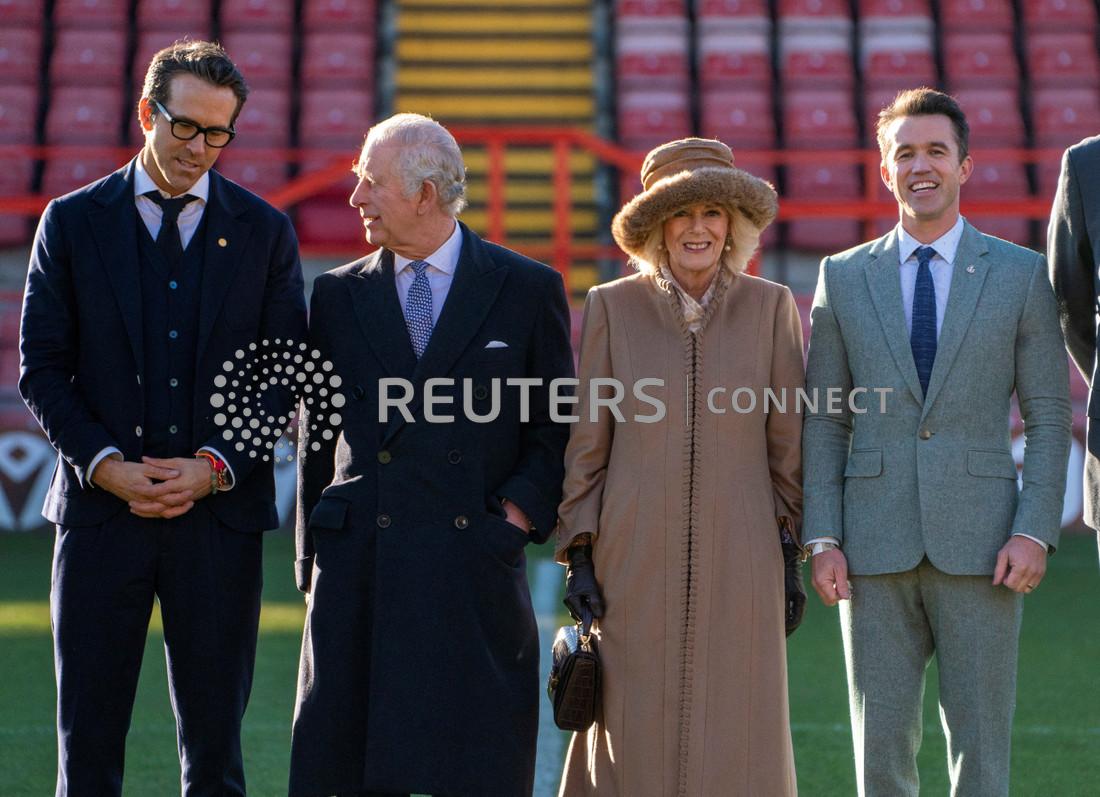
That changed in November 2020, when Reynolds and McElhenney purchased Wrexham A.F.C. for £2 million. The duo, known for Deadpool and It’s Always Sunny in Philadelphia, weren’t just looking for a tax write-off or a vanity project. They wanted authenticity — a community-driven football club with history, grit, and soul. Their arrival wasn’t just financial; it was cultural.
Within months, the club launched Welcome to Wrexham, a documentary series capturing the town, the team, and the owners’ journey. The show didn’t just focus on wins and losses — it humanized fans, staff, and the town itself. It aired on FX and Disney+, reaching millions worldwide. Suddenly, Wrexham wasn’t just a dot on a map — it was a character in a global narrative.
“We didn’t buy a football club. We bought a community.” — Rob McElhenney
The Ripple Effect: Tourism, Investment, Identity
When Hollywood shines a light, economies shift. Wrexham became a destination almost overnight.
Local businesses reported surges in trade. Pubs near the Racecourse Ground, the world’s oldest international stadium still in use, filled with visiting fans from the U.S., Canada, and beyond. Hotels booked out months in advance. Cafés started selling “Deadpool waffles” and Reynolds-themed merchandise. A once-overlooked town became a cultural waypoint.
But the impact went deeper than tourism. The club’s owners reinvested heavily — upgrading the stadium, launching a digital membership platform, and building commercial partnerships. They also prioritized inclusivity, launching initiatives for women’s football, LGBTQ+ outreach, and youth programs.
Perhaps most importantly, they restored pride. For decades, residents had watched their town fade. Now, they saw their home on TV, heard their accent on American talk shows, and felt seen. That sense of validation is harder to measure than ticket sales — but just as transformative.
More Than a Club: A Model for Town Revival

Wrexham’s story isn’t just about celebrity or football. It’s a case study in how authentic engagement can revive a community.
Other struggling towns have taken note. From Gateshead to Derry, local leaders are asking: Can we replicate this? The answer isn’t simple — Reynolds and McElhenney brought rare levels of fame, capital, and media access. But the principles are transferable.
What Wrexham did right:
- Community First: The owners listened before acting. They met fans, attended local events, and deferred to local knowledge.
- Storytelling as Strategy: The documentary wasn’t an add-on — it was central to the plan. It built emotional investment beyond matchdays.
- Long-Term Vision: Promotions, stadium upgrades, and academy development weren’t quick fixes. They were milestones in a decade-long arc.
- Authenticity Over Gimmicks: Despite Reynolds’ wit and McElhenney’s comedic background, they treated the club and town with respect.
Other clubs have been bought by foreign investors with promises of glory — only to deliver broken dreams and disconnected ownership. Wrexham succeeded because the stars chose to integrate, not dominate.
On the Pitch: The Promotion That Sealed the Legacy For all the off-field magic, football is still about results. And in 2023, Wrexham achieved what many thought impossible: promotion to the English Football League after a 15-year absence.
The victory wasn’t just symbolic — it unlocked crucial funding, exposure, and momentum. The club’s 2024–25 season in League One is a testament to sustained progress, both on and off the field.
But the road hasn’t been smooth. The team flirted with relegation in their first EFL season. Some fans worried the owners would lose interest. Instead, Reynolds and McElhenney doubled down — hiring experienced staff, investing in analytics, and improving training facilities.
And the club isn’t just competing — it’s innovating. Wrexham launched a subscription-based content platform, Red Wall+, offering behind-the-scenes access. It’s part fan club, part digital experience — and a new revenue stream others are watching closely.
Hollywood’s New Playbook: Can This Be Replicated?
The Wrexham effect has inspired a wave of interest in lower-league clubs. In 2024 alone, several National League teams reported increased inquiries from investors, particularly in the U.S.
But success isn’t guaranteed. Some celebrity-backed ventures have stumbled — like when a tech influencer bought a Swedish club and alienated fans with top-down decisions.
Key differentiators in Wrexham’s favor:
| Factor | Wrexham Advantage |
|---|---|
| Owner Involvement | High — regular visits, hands-on decisions |
| Local Trust | Built through transparency and humility |
| Media Leverage | Documentary created emotional investment |
| Financial Backing | Sustained, not one-time injection |
| Cultural Fit | Owners embraced Welsh identity, didn’t override it |
The lesson? It’s not about fame — it’s about commitment. You can’t parachute in, wave a checkbook, and expect loyalty. Wrexham worked because the stars showed up — repeatedly — and treated the club as a responsibility, not a toy.
The Wider Cultural Shift
Beyond economics, Wrexham’s revival has sparked a broader conversation about identity and representation.
For years, Welsh towns like Wrexham were overlooked in national media, often reduced to stereotypes. Now, they’re portrayed with depth, complexity, and dignity. The documentary highlighted struggles with poverty, addiction, and mental health — not for drama, but to show the full picture.
It also spotlighted Welsh culture — language, music, and resilience. Young people in Wrexham report feeling more proud to say where they’re from. Local schools use the club’s story in lessons on leadership and community.
Even the town’s name has changed in perception. Once mispronounced or missed entirely on maps, “Wrexham” is now recognized globally — not just by sports fans, but by pop culture followers.
What’s Next for Wrexham?
The sun hasn’t set — it’s just rising.
Plans are underway to redevelop the stadium into a 30,000-seat venue with community facilities, including a health center and tech hub. The club is exploring sustainable energy projects and aims to be carbon-neutral by 2030.
There’s talk of a Wrexham-branded travel series, merchandise line, and even a potential film. But the owners insist the focus remains the same: the team, the town, and the fans.
“People say we saved the club,” Reynolds said in a recent interview. “But honestly? The club saved us. It gave us purpose.”
A Blueprint for Revival —
With Heart
Wrexham’s story isn’t a fairy tale. It’s a masterclass in how vision, humility, and real connection can change a town’s trajectory. It proves that revival doesn’t require a tech boom or government overhaul — sometimes, it starts with a football club and two guys who cared enough to listen.
Other towns won’t get Ryan Reynolds. But they can learn from his playbook: invest locally, tell authentic stories, and put community at the center.
Because the truth is, the sun isn’t just shining on Wrexham today — it’s being created.
Take action: If you’re part of a struggling community, look beyond traditional solutions. Seek partners who value authenticity over profit. Build narratives that resonate. And remember — transformation often starts with a single, bold decision.
FAQ
Why did Ryan Reynolds and Rob McElhenney choose Wrexham? They wanted a historic club with passionate fans and untapped potential. Wrexham’s rich legacy and underdog status fit their vision for an authentic story.
Has Wrexham A.F.C. been promoted since the takeover? Yes — the club earned promotion to EFL League Two in 2023 and is competing in League One as of the 2024–25 season.
How has the town benefited economically? Tourism has surged, local businesses report higher sales, and the club’s global profile has attracted investment and media attention.
Is the ‘Welcome to Wrexham’ documentary real or staged? It’s a documentary with cinematic storytelling. While edited for narrative flow, it captures genuine moments, people, and events.
Are Reynolds and McElhenney involved in day-to-day operations? They’re hands-on with strategy, branding, and major decisions, but they rely on experienced football staff for daily management.
Could this model work for other towns? Elements can — community focus, storytelling, investment — but Wrexham’s success hinges on rare access to global media and sustained commitment.
What’s next for Wrexham A.F.C.? Stadium redevelopment, youth academy expansion, and continued competitiveness in the EFL — all with a focus on long-term sustainability.
FAQ
What should you look for in It's Finally Sunny in Wrexham: Hollywood’s Game-Changer? Focus on relevance, practical value, and how well the solution matches real user intent.
Is It's Finally Sunny in Wrexham: Hollywood’s Game-Changer suitable for beginners? That depends on the workflow, but a clear step-by-step approach usually makes it easier to start.
How do you compare options around
It's Finally Sunny in Wrexham: Hollywood’s Game-Changer? Compare features, trust signals, limitations, pricing, and ease of implementation.
What mistakes should you avoid? Avoid generic choices, weak validation, and decisions based only on marketing claims.
What is the next best step? Shortlist the most relevant options, validate them quickly, and refine from real-world results.